
Independent mediators for suitable civil disputes where individuals, businesses or organisations want a confidential and structured opportunity to explore resolution without having an outcome imposed.
Structured mediation for civil disputes before positions become entrenched
Civil disputes can place significant pressure on finances, relationships and time. Even where the legal issues appear relatively clear, the practical consequences of continuing a dispute can become disproportionate to the matters originally in disagreement.
The Echelon Civil Disputes Panel brings together mediators suited to a broad range of suitable civil matters involving individuals, businesses and organisations. The panel is intended for disputes where a facilitated negotiation may help the parties clarify the issues, consider risk and explore practical settlement options.
The mediator does not determine legal rights, give legal advice or impose terms. The parties remain responsible for deciding whether settlement is possible and what outcome they are prepared to accept.
Civil disputes the panel can support
Every matter is considered individually. Typical disputes may include one or several of the following areas.
Neighbour & Nuisance Disputes
Disagreements involving noise, access, nuisance, maintenance, boundaries, shared spaces or deteriorating neighbour relationships.
Property & Land Issues
Suitable disputes concerning boundaries, rights of way, co-ownership, occupation, access or other private property and land matters.
Private Financial Disputes
Civil disagreements involving money, repayment, contributions, shared liabilities or other non-consumer financial arrangements.
Agreements Between Individuals
Disputes arising from private agreements, commitments or arrangements where the parties disagree about what was expected or performed.
Relationship-Based Civil Disputes
Matters where the parties may need to continue living, working, owning property or interacting with one another after the dispute.
Multi-Issue Civil Matters
Disputes combining financial, practical, communication and relationship issues that may not be resolved effectively by addressing legal positions alone.
Resolution can require more than a legal answer
A civil dispute may involve legal rights, evidence and competing factual accounts, but those issues are not always the only barriers to settlement.
The parties may also need to consider cost, delay, stress, future contact, property arrangements, confidentiality, practical implementation and the uncertainty of continuing formal proceedings.
Mediation provides a structured setting in which those wider considerations can be explored while leaving legal advice and final decision-making with the parties and their professional advisers.
A structured civil mediation can help parties:
- identify the issues that are preventing meaningful negotiation;
- separate practical priorities from entrenched positions;
- test assumptions about risk, evidence and future options;
- consider financial and non-financial settlement terms;
- address future communication or practical arrangements where relevant;
- reduce the time and cost consumed by an escalating dispute; and
- retain control over whether settlement is reached.
Civil Disputes Panel
Mediator appointments are considered according to the nature, complexity and circumstances of the dispute. Individual mediator profiles set out professional registrations, accreditations, experience and areas of particular practice.

Experienced accredited and registered mediator. He has a wide commercial experience across various management roles including director, in the construction, engineering and entertainment sectors. He has extensive life experience having lived and integrated with several cultures in South America and Australia for 11 years and dealt with negotiations with government ministers and officials.
View mediator profile →Choosing an appropriate mediator
The appropriate mediator depends on the issues, the parties, the history of the dispute and the practical dynamics surrounding resolution.
Independence
Mediator appointments are subject to appropriate independence and conflict checks before the mediation proceeds.
Relevant Experience
Relevant civil mediation experience and, where useful, familiarity with the type of dispute can be considered when identifying an appropriate mediator.
Process Fit
The mediator and format should be proportionate to the dispute, the parties involved and the practical requirements of the mediation.
How the process begins
Initial enquiry
Tell Echelon briefly about the nature of the dispute, the parties involved and the anticipated mediation format.
Conflict & suitability checks
Relevant information is considered before an appointment is confirmed, including independence, availability and suitability.
Mediator appointment
Once the parties agree to proceed, the mediator, proposed timetable, format and fees can be confirmed.
Preparation & mediation
The parties receive the necessary process information and prepare for the mediation in accordance with the agreed arrangements.
Civil Dispute Guides
Explore practical guidance from the Civil Disputes Panel on mediation, civil dispute resolution, property and neighbour issues, settlement preparation and the practical considerations that can influence negotiated outcomes.

13 October 2026
Professional Negligence Mediation | EDR Civil Disputes
A practical guide to resolving professional negligence claims against solicitors, surveyors, and accountants through civil dispute mediation, avoiding high court costs and reputational exposure.

6 October 2026
Private Loan Dispute Mediation: Resolving Personal Debt Before Court
Private loan dispute mediation provides a structured, confidential mechanism to resolve personal debt disagreements, clarify informal terms, and agree legally binding repayment plans without County Court proceedings.

2 October 2026
Civil Dispute Mediation in Stafford
A practical guide to civil and commercial dispute mediation in Stafford, examining how local businesses, landlords, and individuals can resolve conflicts out of court, protect costs under CPR rules, and achieve binding settlement agreements.
22 September 2026
Civil Dispute Mediation: Settle Fast & Intermediate Claims
A practical guide to civil dispute mediation for fast-track and intermediate-track money claims (£10,000–£100,000), explaining fixed recoverable costs, timing, and effective settlement strategies.

9 September 2026
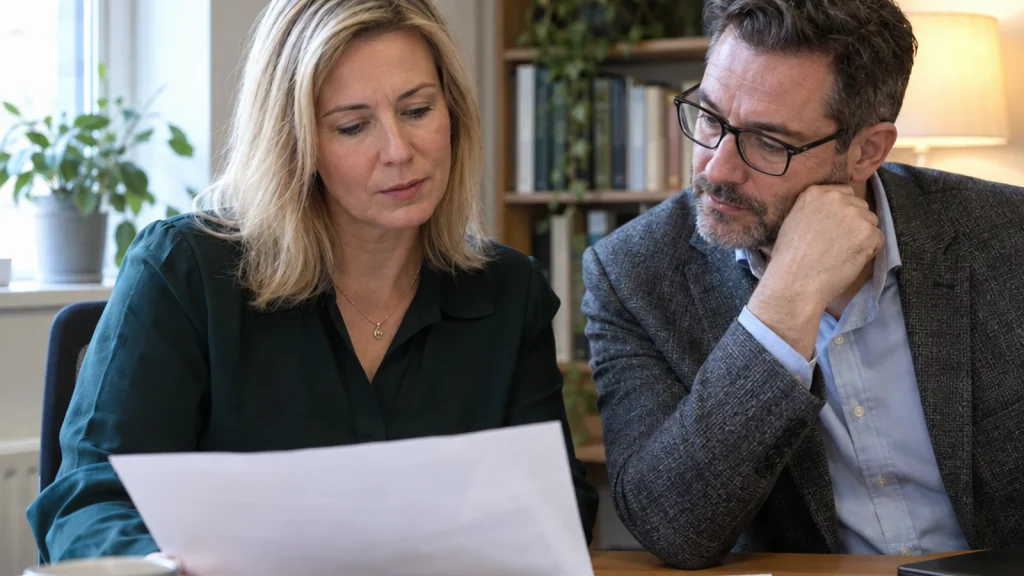
Neighbour Dispute Mediation Before Court: Settle Escalating Conflicts Pre-Action
A practical guide to pre-action neighbour dispute mediation in England and Wales. Discover how mediating before court protects against CPR costs sanctions, resolves Law Society TA6 conveyancing blight, and delivers workable living solutions.
7 September 2026
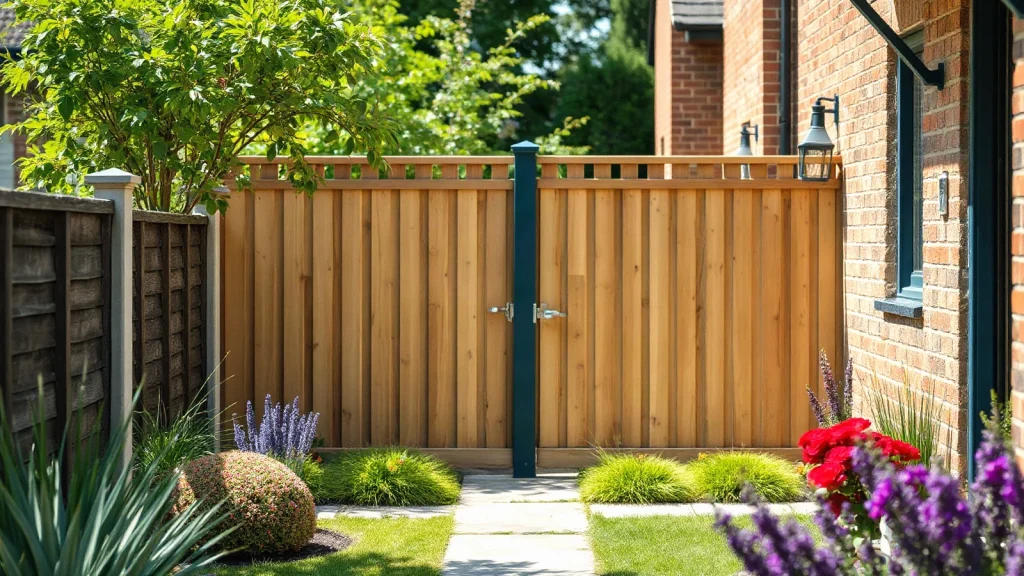
Neighbour Boundary Disputes: Resolving Property Line Conflicts Without Disproportionate…
Discover how property owners in England and Wales can resolve boundary and fence disputes without disproportionate court costs, using mediation and Land Registry agreements to protect property saleability.
Considering mediation for a civil dispute?
The panel sits alongside Echelon Dispute Resolution's Civil Mediation service for suitable disputes between individuals, businesses and organisations.
Parties, solicitors and professional advisers can contact Echelon to discuss initial suitability, mediator availability, the proposed format and the practical arrangements before deciding whether to proceed.
Useful next steps
Learn more about the relevant mediation service, review current fees or contact Echelon about a potential appointment.
Civil Disputes Panel FAQs
When can civil mediation be considered?
Civil mediation can be considered before proceedings are issued or while proceedings are already underway. Whether mediation is suitable depends on the nature of the dispute, the parties and any procedural or legal issues requiring attention.
Does the mediator decide who is legally right?
No. The mediator does not act as a judge or arbitrator, give legal advice or impose an outcome. The mediator manages a structured negotiation process while the parties retain control over settlement decisions.
Can I attend without a solicitor?
Depending on the matter, parties may attend with or without legal representation. Independent legal advice can still be important where legal rights, limitation, enforceability or settlement drafting need to be considered.
Can civil mediation take place online?
Yes. Echelon can provide online and in-person mediation. The appropriate format depends on the parties, the dispute and the practical requirements of the session.
Are all consumer disputes suitable for EDR civil mediation?
No. EDR carries out an initial suitability review and does not currently act as an accredited consumer ADR provider for consumer-trader disputes requiring that form of regulated ADR provision. If there is uncertainty, the matter should be screened before an appointment is made.
Discuss appointing a mediator
If a civil dispute has reached an impasse, contact Echelon Dispute Resolution to discuss suitability, mediator availability and the practical options for arranging mediation.