
Independent mediators for suitable property and real-estate disputes involving ownership, occupation, access, boundaries, land use, commercial interests or continuing property relationships.
Mediation for disputes where property and relationships intersect
Property disputes can be unusually persistent because the parties may remain connected to the same land, building, ownership structure or commercial arrangement long after the immediate disagreement began.
The Echelon Property & Real Estate Disputes Panel brings together mediators suited to suitable civil and commercial property disputes where legal positions may need to be considered alongside access, use, value, future occupation and continuing practical relationships.
The mediator does not determine ownership, title or legal rights. Their role is to facilitate a structured negotiation through which the parties can examine the issues, test options and decide whether an agreed practical solution can be reached.
Property and real-estate disputes the panel can support
Typical matters may involve legal, financial and practical issues that need to be considered together.
Boundaries & Access
Disputes involving boundaries, access routes, shared areas, gates, driveways or uncertainty about how adjoining land is used.
Rights of Way & Easements
Disagreements about access rights, easements, use, obstruction, maintenance responsibilities or practical arrangements.
Co-Ownership Disputes
Conflict between joint or co-owners concerning occupation, contributions, use, sale, management or the future of jointly held property.
Commercial Property
Suitable disputes involving business premises, occupation, property arrangements, access, responsibilities or continuing commercial relationships.
Neighbour & Land Use Issues
Property-related neighbour disputes involving nuisance, maintenance, use of land, works or ongoing practical interactions.
Development & Property Relationships
Disputes where development, works, ownership or occupation interests overlap and a negotiated solution may need to address future arrangements.
A workable property settlement often needs to function in practice
Property disputes can involve important legal rights, but a court determination may not address every practical issue affecting how the parties use, access or manage the property afterwards.
Settlement discussions may need to consider timing, access, future conduct, maintenance, works, sale, occupation, communication, confidentiality and the practical implementation of any agreed arrangement.
Mediation allows those issues to be explored alongside the parties' legal positions while leaving legal advice and any formal drafting to the parties and their professional advisers.
A property-focused mediation can help parties:
- identify which legal and practical issues are preventing settlement;
- clarify how the property is currently used and what needs to change;
- consider access, timing, works, maintenance or future conduct arrangements;
- explore financial and non-financial terms together;
- address continuing neighbour, ownership or commercial relationships;
- reduce the disruption and cost of prolonged property conflict; and
- retain control over whether an agreement is reached.
Property & Real Estate Disputes Panel
Mediator appointments are considered according to the nature, complexity and circumstances of the dispute. Individual mediator profiles set out professional registrations, accreditations, experience and areas of particular practice.
Approved mediator profiles for this section will appear here.
Choosing an appropriate mediator
The appropriate mediator depends on the type of property dispute, the parties' ongoing relationship and whether specialist property or commercial context is useful.
Independence
Mediator appointments are subject to appropriate independence and conflict checks before the mediation proceeds.
Relevant Experience
Relevant property, land, civil or commercial dispute experience can be considered when identifying a mediator suited to the issues and practical context.
Process Fit
The mediator and format should be proportionate to the dispute, the parties involved and the practical requirements of the mediation.
How the process begins
Initial enquiry
Tell Echelon briefly about the nature of the dispute, the parties involved and the anticipated mediation format.
Conflict & suitability checks
Relevant information is considered before an appointment is confirmed, including independence, availability and suitability.
Mediator appointment
Once the parties agree to proceed, the mediator, proposed timetable, format and fees can be confirmed.
Preparation & mediation
The parties receive the necessary process information and prepare for the mediation in accordance with the agreed arrangements.
Property & Real Estate Dispute Guides
Explore practical guidance from the Property & Real Estate Disputes Panel on property conflict, boundaries, access, ownership, land issues, mediation and negotiated settlement.

2 October 2026
Property & Real Estate Disputes Panel
Commercial Lease Dispute: Service Charge Mediation
Commercial service charge disputes over reconciliations and balancing charges can threaten tenant occupation and landlord cash flow. Discover how civil mediation delivers practical commercial solutions.

15 September 2026
Property & Real Estate Disputes Panel
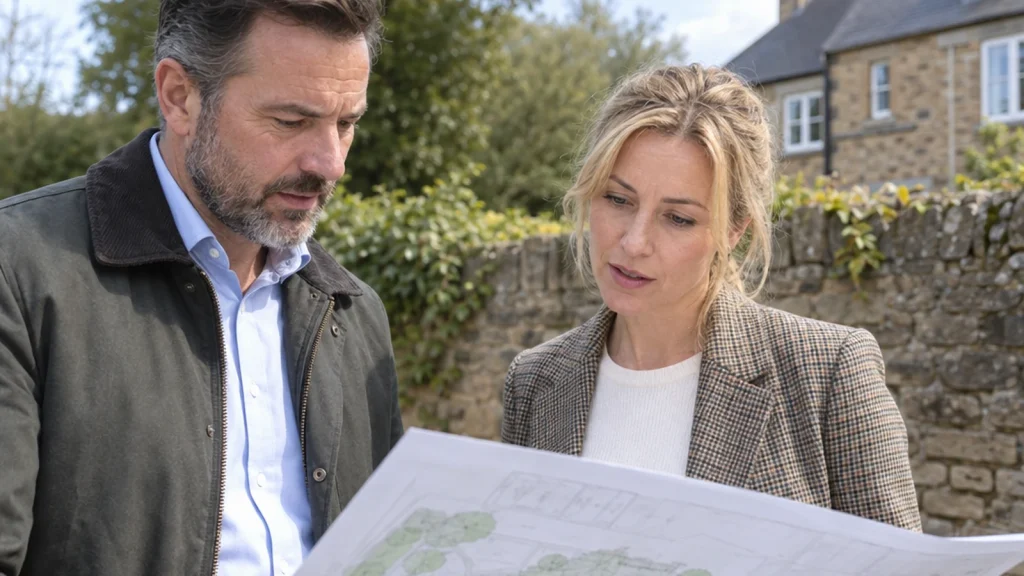
Right of Way Dispute Solutions: Resolving Access & Driveway Conflicts
Explore practical strategies for resolving right of way disputes, shared driveway obstructions, and easement maintenance conflicts through mediation rather than court litigation.
14 September 2026
Property & Real Estate Disputes Panel
Commercial Dilapidations Mediation | End-of-Lease Repair Claims
A practical guide to resolving commercial dilapidations disputes and Scott Schedule deadlocks through mediation, avoiding protracted court litigation and Section 18 valuation conflicts.

14 September 2026
Property & Real Estate Disputes Panel
Property Dispute Mediation Lichfield: How to Resolve Local Conflicts
A practical guide to resolving commercial and residential property disputes in Lichfield through civil mediation, avoiding regional County Court delays.

10 September 2026
Property & Real Estate Disputes Panel
Property Dispute Mediation: Real Estate & Lease Resolution
A practical guide to pre-action property dispute mediation in England and Wales, outlining how landlords, tenants, and developers resolve complex real estate and leasehold disputes before costs escalate.
Considering mediation for a property dispute?
Suitable private property and land disputes can fall within Echelon Dispute Resolution's Civil Mediation service, while commercial property matters may require a commercial mediation approach.
Contact Echelon to discuss initial suitability, mediator experience, the proposed format and whether the matter requires any specialist legal or technical input alongside mediation.
Useful next steps
Learn more about the relevant mediation service, review current fees or contact Echelon about a potential appointment.
Property & Real Estate Disputes Panel FAQs
What types of property disputes may be suitable for mediation?
Suitable matters can include boundaries, access, rights of way, co-ownership, occupation, neighbour issues and some commercial property disputes. The exact suitability depends on the circumstances and any need for urgent legal relief or formal determination.
Can the mediator decide who owns land or has a legal right of way?
No. The mediator does not determine title or legal rights. Parties should obtain legal advice where ownership, easements or other property rights require authoritative interpretation.
Can surveyors or other experts be involved?
Yes, where appropriate. Surveyors, valuers, solicitors or other advisers can support the parties with technical or legal information while the mediator manages the negotiation process.
Can property mediation produce practical arrangements as well as financial terms?
Yes. Subject to legal advice and proper documentation, parties can explore arrangements concerning access, timing, works, maintenance, communication, sale or other practical issues in addition to financial terms.
Are consumer property disputes automatically accepted?
No. EDR carries out an initial suitability review, including whether a matter falls within a regulated consumer ADR category or requires another specialist process.
Discuss appointing a mediator
If a property dispute is becoming entrenched, contact Echelon Dispute Resolution to discuss suitability, mediator availability and practical options for mediation.